




The Future of Value: What Does Money Even Mean Anymore?
Value is shifting, fast. App money flows, debt increases in the dark, and data is exchanged like money. The lines are becoming blurred: between wealth and power, between spending and giving away without thought.
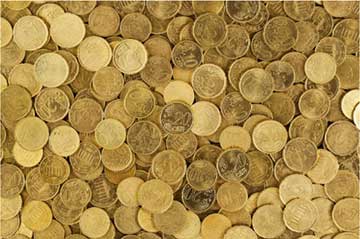
Money Looks Different Now
Debt: The Quiet Engine Behind Modern Economies
The current monetary system is based on a straightforward idea: pay later. Central banks buy government debt and print money. It works, but it’s also fragile.World debt surged to more than $305 trillion in 2024. From mortgages for home purchases to student loans for college to business debt to expand, people go into debt to pursue their dreams. When interest rates are low (as they were after 2008), borrowing costs rise, and asset prices move into bubble territory.
In just 20 years, the definition of money has completely changed. What used to be stored in wallets (paper bills, metal coins) is now primarily stored on phones or in the cloud. The change began slowly. ATMs made it easier to get cash without waiting in the bank lines. Then came debit and credit cards, making payment as simple as a swipe or a chip insertion.
By the time mobile wallets appeared, spending had become second nature. Apple Pay and other tools have tucked payments into our phones, eliminating even the need to carry a card. A quick tap, and you're done.
But plastic wasn’t the final form. The fundamental shift happened when money went fully digital. With the rise of cryptocurrencies, a new phase began, one that relies on security and transparency. Today, the most popular crypto coins like Bitcoin, Ethereum, XRP, Solana, and Dogecoin allow people to move funds across borders in minutes. There's no waiting for bank approval or dealing with middlemen, just fast, direct transactions that work anywhere. Instead, all that’s needed is to choose a top-rated cold wallet or look for a safe xrp wallet download, and you can start using crypto in minutes.
Anthropologist David Graeber has said that debt isn't economic; it's social memory. In the digital world, that memory is reduced to numbers: credit scores, spending histories, and loan algorithms that approve or reject in a matter of seconds.
Still, it’s a risky foundation. We saw that in 2008. Now, with P2P lending and credit platforms, financial contagion can spread faster than ever before, without banks.
Data: The New Center of Gravity
Wealth used to be linked to things you could measure: land, gold, goods. Today, what the companies know about you is what's valuable. Location data, browsing habits, online behavior, all of it adds up to a digital profile that's worth serious money.Some tech platforms are making billions a year from mere advertising, fueled by ultra-specific targeting. The better they know you, the more they can charge. That's the trade: free services, funded by watching everything you do.
However, blockchain tools are constructing systems that allow users to own their identities. You decide what to share, and smart contracts do the rest, automating payment for access and removing middlemen.
Still, it’s not a perfect fix. Owning your data sounds great, but does that mean you profit from it, or just make it easier to track? Regulators are stepping in. The EU's GDPR and similar laws are attempting to slow the data grab. But it's a tug-of-war, and the stakes are rising.
In just 20 years, the definition of money has completely changed. What used to be stored in wallets (paper bills, metal coins) is now primarily stored on phones or in the cloud. The change began slowly. ATMs made it easier to get cash without waiting in the bank lines. Then came debit and credit cards, making payment as simple as a swipe or a chip insertion.
By the time mobile wallets appeared, spending had become second nature. Apple Pay and other tools have tucked payments into our phones, eliminating even the need to carry a card. A quick tap, and you're done.
But plastic wasn’t the final form. The fundamental shift happened when money went fully digital. With the rise of cryptocurrencies, a new phase began, one that relies on security and transparency. Today, the most popular crypto coins like Bitcoin, Ethereum, XRP, Solana, and Dogecoin allow people to move funds across borders in minutes. There's no waiting for bank approval or dealing with middlemen, just fast, direct transactions that work anywhere. Instead, all that’s needed is to choose a top-rated cold wallet or look for a safe xrp wallet download, and you can start using crypto in minutes.
Central Bank Digital Currencies: When Governments Go Digital
Governments aren't watching from the sidelines. Over 130 countries are now exploring their own digital currencies: state-issued, centralized, and fully trackable. These central bank digital currencies (or CBDCs) are intended to provide the benefits of crypto without the chaos.China is leading with its e-CNY, which already handles billions in payments. Sweden is testing the digital krona. The U.S. is still considering a move towards a digital dollar to make payments easier and reduce the friction in the system. CBDCs could assist with remittances (money sent home by migrant workers), which are currently sliced up by fees.
But there are real concerns. If all transactions are traceable, privacy suffers. If CBDCs replace commercial bank deposits, the balance of financial power may shift dramatically. And with digital infrastructure, cyberattacks become national-level risks. What begins with convenience could become a centralization of too much control.
When Value Stops Sitting Still
The notion of value used to remain rooted, tied to land, metals, labor, or clear-cut units of production. That’s no longer the case. Today, value is on the move, determined by speed, networks, and constantly changing digital tools.This kind of fluidity is altering the nature of what we define as "real" value. It's not so much about the accumulation anymore; it's about how fast something moves, how many systems it touches, and how seamlessly it travels.
In just 20 years, the definition of money has completely changed. What used to be stored in wallets (paper bills, metal coins) is now primarily stored on phones or in the cloud. The change began slowly. ATMs made it easier to get cash without waiting in the bank lines. Then came debit and credit cards, making payment as simple as a swipe or a chip insertion.
By the time mobile wallets appeared, spending had become second nature. Apple Pay and other tools have tucked payments into our phones, eliminating even the need to carry a card. A quick tap, and you're done.
But plastic wasn’t the final form. The fundamental shift happened when money went fully digital. With the rise of cryptocurrencies, a new phase began, one that relies on security and transparency. Today, the most popular crypto coins like Bitcoin, Ethereum, XRP, Solana, and Dogecoin allow people to move funds across borders in minutes. There's no waiting for bank approval or dealing with middlemen, just fast, direct transactions that work anywhere. Instead, all that’s needed is to choose a top-rated cold wallet or look for a safe xrp wallet download, and you can start using crypto in minutes.
![[Top of Page]](../images/top.gif)
- Source from manufacturers worldwide
- Find inspection, freight services and more
- Access global trade resources and guides
- Be part of largest global trade community and much more...
- Be where your customers are!
- Promote and market your services
- Receive direct quote requests
- Back office support, set up regional offices and much more...