




How Trade Balances Influence Global Exchange Rates
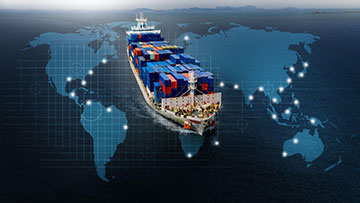
Trade balances measure the difference between a country's exports and imports, providing a snapshot of physical trade flows. Yet while goods move through global supply chains over weeks or months, currency markets respond almost instantly to changing expectations around economic growth, policy decisions, and future trade conditions. This disconnect between slow-moving trade activity and fast-moving financial markets sheds light on why trade balances remain closely watched by investors, businesses, and policymakers seeking insight into currency movements and broader economic trends.
How Trade Surpluses and Deficits Influence Exchange Rates
When overseas buyers purchase a country's goods, they generally need access to that country's currency to complete transactions. Over time, sustained export demand can create additional demand for the currency itself, helping to support its value. This is one reason countries with persistent trade surpluses often benefit from a favorable backdrop for their exchange rates.Trade deficits can have the opposite effect. When a country imports more than it exports, more money leaves the economy to pay foreign suppliers than returns through export earnings. In some situations, this can place downward pressure on the domestic currency, particularly if investors become concerned about the country's reliance on external financing. The relationship is rarely straightforward. Financial markets are forward-looking, meaning exchange rates often shift based on expectations before trade data is released. As a result, trade balances help shape currency trends, but they do not determine them on their own.
Why Trade Data Is Only Part of the Story
If exchange rates were driven solely by trade balances, forecasting currencies would be relatively simple.In reality, interest rates, inflation, capital flows, commodity prices, government policy, and investor sentiment all influence currency valuations. In many cases, these factors exert a stronger short-term impact than trade data itself.
The U.S. dollar demonstrates this clearly. Despite recording trade deficits for decades, it remains the world's dominant reserve currency because global demand extends far beyond trade settlement. Similarly, commodity-exporting economies often see their currencies strengthen when prices for oil, metals, or agricultural products rise, regardless of short-term trade figures.
For treasury teams, procurement managers, and exporters, trade data is most useful when viewed alongside broader economic and market developments.
How Trade Balances Affect Major International Exchange Rates
The impact of trade balances becomes easier to understand when viewed through major currencies.The U.S. dollar illustrates why trade balances are only part of the currency story. By contrast, export-led economies such as China have historically benefited from sustained trade surpluses, which can support demand for the yuan. In Europe, Germany's strength as a major exporter has frequently contributed to favorable trade balances across parts of the eurozone, helping support the euro under certain conditions.
In Japan, while trade balances have traditionally influenced the yen, the currency is also regarded as a safe-haven asset. During periods of market uncertainty, investor demand can strengthen the yen even when trade fundamentals suggest a different outcome.
These examples highlight a broader reality: Trade balances influence long-term currency trends, but financial markets often anticipate those developments long before they appear in official data.

Using Trade Data for Pricing and Hedging
For importers and exporters, the key question is not whether trade balances influence currencies, but how those currency movements affect commercial decisions.A distributor importing products from overseas may face higher costs when the local currency weakens. An exporter may become more competitive when the domestic currency falls, but that advantage can be offset if production relies on imported materials, energy, or components.
Even relatively small exchange-rate movements can affect profitability across a contract cycle. Quotations may be issued weeks before orders are confirmed, shipments can take months to arrive, and payment terms often extend beyond delivery dates. By the time settlement occurs, the currency environment may look very different from the one that existed when the agreement was signed.
Many businesses, therefore, monitor live FX pricing throughout the purchasing and sales process rather than relying solely on historical exchange-rate data. The growth of online trading has made it easier to track market reactions to economic releases, central bank announcements, and shifting trade expectations in real time. Access to current pricing can provide valuable context when evaluating sourcing decisions, contract terms, and hedging strategies for importers and exporters managing currency exposure.
For this reason, many internationally active firms align pricing strategies, procurement decisions, and hedging activities to reduce unnecessary currency exposure.
What International Trade Businesses Should Monitor
Trade-balance releases can provide valuable insight into longer-term economic trends, but they are most useful when combined with other indicators.Businesses should monitor:
- Trade-balance trends rather than individual monthly releases
- Interest-rate expectations and central-bank guidance
- Commodity-price movements
- Contract currencies and settlement terms
- Exposure to imported materials and overseas suppliers.
Markets often react to whether data meets expectations rather than the headline number itself, making context just as important as the figures being reported.
How Trade Flows Shape Currency Markets
Trade balances influence major international exchange rates because they affect the flow of money between economies and the demand for national currencies. Persistent surpluses and deficits can contribute to broader currency trends, but they are only one piece of the puzzle. Trade data reflects what has already happened in the physical economy, while currency markets continuously attempt to price what may happen next. The movement of goods through ports, warehouses, and supply chains unfolds gradually, yet financial markets can revalue currencies in moments as expectations change. For importers, exporters, and other internationally active firms, understanding the relationship between these two forces can support better decisions around sourcing, pricing, hedging, and managing currency risk in an increasingly interconnected global economy.
![[Top of Page]](../images/top.gif)
- Source from manufacturers worldwide
- Find inspection, freight services and more
- Access global trade resources and guides
- Be part of largest global trade community and much more...
- Be where your customers are!
- Promote and market your services
- Receive direct quote requests
- Back office support, set up regional offices and much more...